

Storms happen every season
Anticipate
Prepare
Act

The Storm of All Storms
September 2008. Lehman Brothers collapsed, the financial world was in freefall...
Barclays bought Lehman and its assets out of bankruptcy the next day. While most of the industry scrambled on receipt of the news, a team at Barclays faced an impossible job: manage the Lehman portfolio that just bankrupted a 150-year-old bank and Wall Street blue blood. Almost 200 different trading books. Thousands of positions. Illiquid markets. Counterparties in panic. No playbook.
That team—traders, structurers, research professionals, risk managers who'd spent decades in the trenches of credit markets—didn't just survive the chaos, they thrived in it. Dealing with such a variety of assets, they also gained incredible real-world, real-market experience. They learned something profound about how markets really work when the models break and the liquidity disappears.
In a genuine crisis, what matters isn't the theory. It's knowing what a bond is actually worth when nobody wants to trade it. That the organization and operations of a portfolio AND its hedges are paramount. The importance of managing not just the assets, but the internal and external politics, RWA's, the people involved and those pesky hedges is the difference between failure and success.
That team founded Corvid Partners in 2015.

Built Different
We didn’t set out to be the biggest valuation or consulting firm. We set out to be the best partner when things get tough.
Today, we price over $2.1 trillion in market value of bonds and loans across more than 80 countries. We're one of the largest contributors to Bloomberg Valuations. We serve global banks, sovereign wealth funds, insurance companies, pension funds, hedge funds, governments, and universities throughout the world.
But size isn't the point. Trust is.
When markets are calm, valuation is straightforward. It's when volatility spikes, liquidity evaporates, and nobody agrees on price that you need a partner who's been there before and can help you steer clear of what’s hiding under the surface.
We have. Repeatedly.
We've worked through sovereign defaults, banking crises in many jurisdictions, energy-sector collapses, pandemic dislocations, and everything in between. We've seen markets that looked broken rebuild themselves in unexpected ways. We've watched new products emerge, flourish, and sometimes implode.
That perspective—earned through decades of real experience—shapes everything we do.
How We Actually Work
We don't hide behind black-box models.
Every valuation we produce is open for challenge, and you deal directly with the people who priced it.
No faceless delivery. No take-it-or-leave-it numbers.
With offices across several countries and continents, we empower you to think globally and act locally.

We start with execution data—real trades in liquid markets—and build credit maps that reflect current conditions. Then we layer in liquidity assessments, spread adjustments, and market intelligence gathered from daily conversations with traders, portfolio managers, and market makers globally.
Our models are tested constantly against actual transaction data. When something doesn't line up, we figure out why. When markets shift, we adjust. When clients challenge our numbers, we explain our thinking—and sometimes, we change our view. Communication is key to our process.
Transparency isn't a marketing term for us.
It's how we operate.
The Whole Landscape
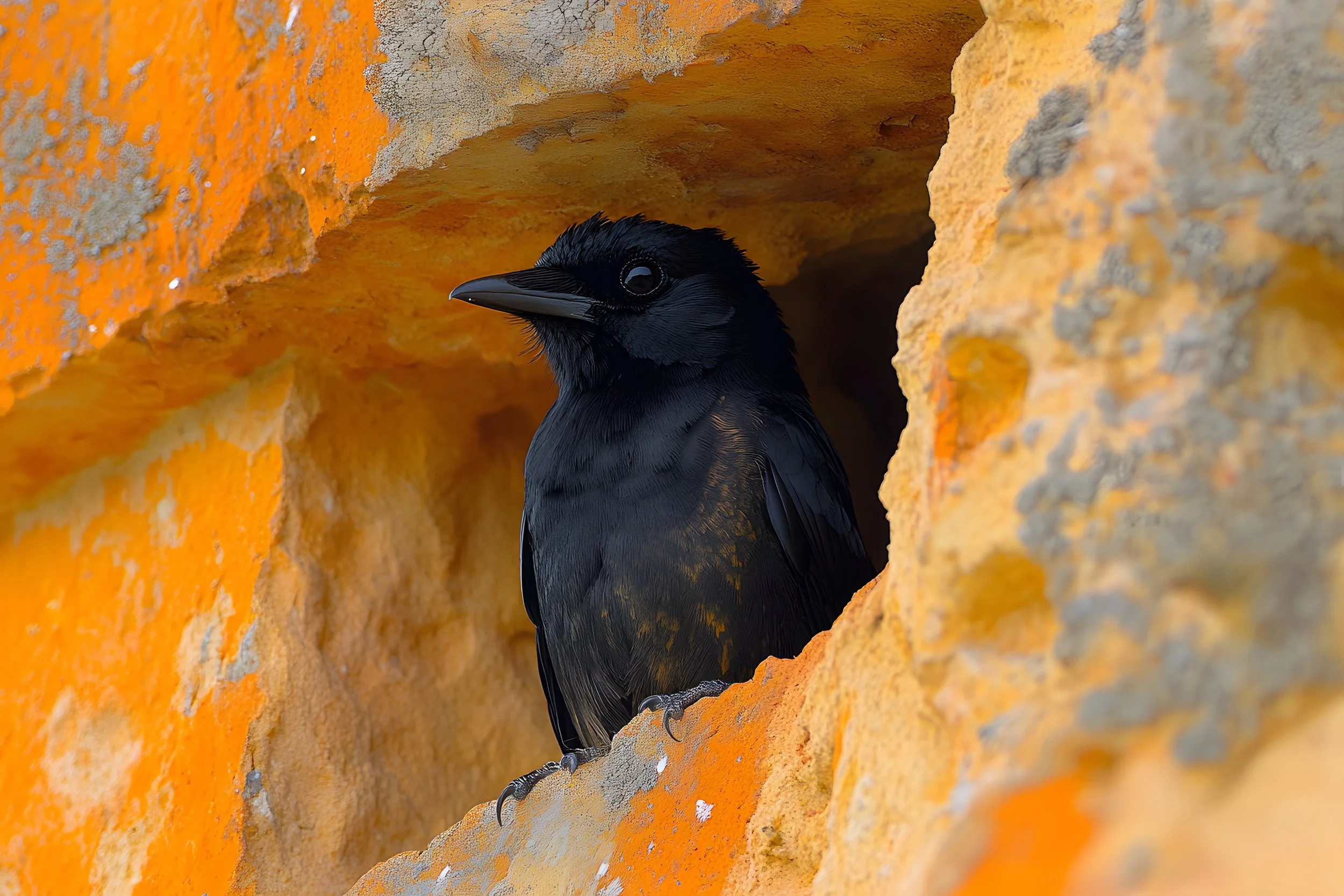
A hedge is often knowing there is some shelter available, which provides enough safety, even if temporary. On their own, it might not have much value or might be overpriced for what it is. However, as part of a smartly balanced asset package, a seemingly minute trade— a tiny gap in a stone wall for instance— can lead to the insurance needed to create value for an institution.
Most know that hedging strategies are often far from perfect. The more unique the asset is, the more unconventional the hedging strategy can be. At Corvid, we help you see the whole landscape, including what might be an unconventional hedging strategy, but one that can hold up in a storm. We can value the asset package as a whole, including all hedges, or lack thereof. Most valuation firms in this sector do not have the capability for this part of the equation.
We don’t just help you create fortress balance sheets.
We help you maintain them.
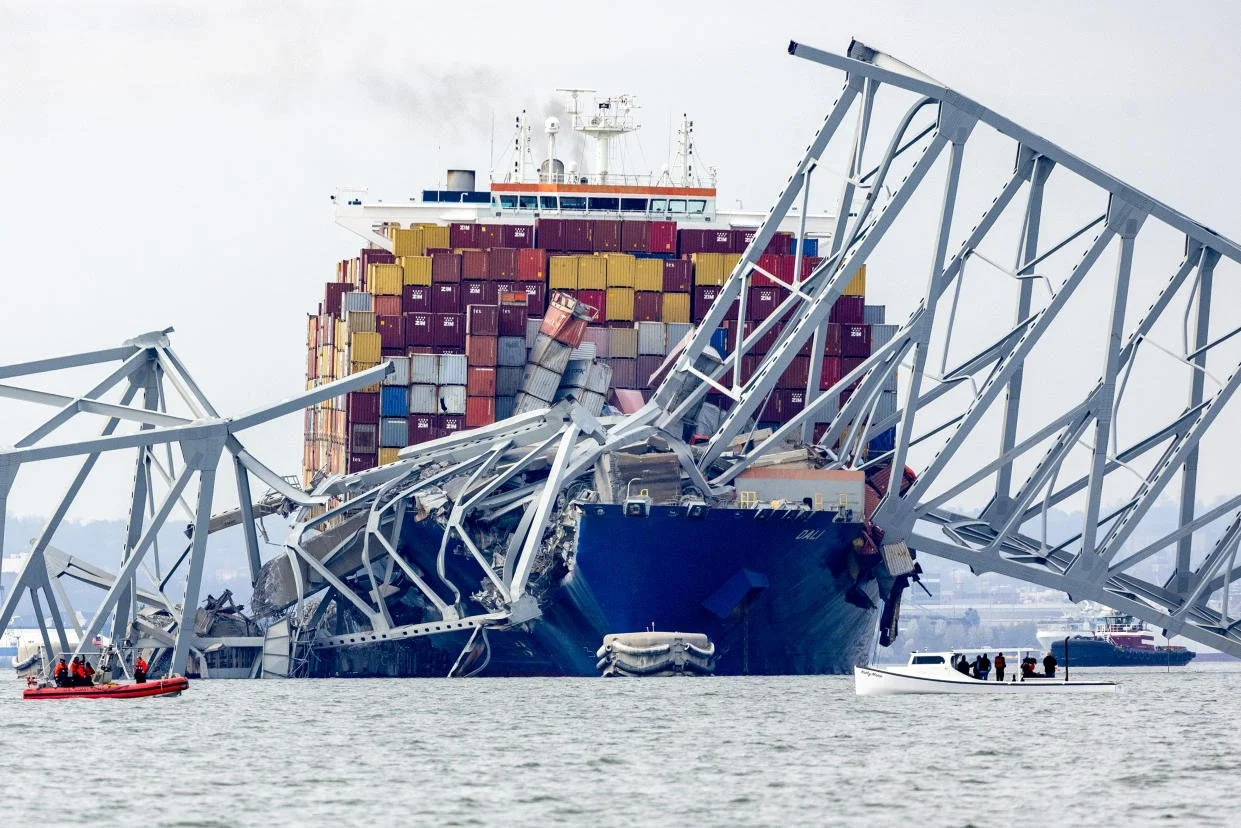
Through crisis work, one notices that most market participants prepare for the storms they can see coming. The ones that actually matter are the ones nobody expects.
That's where risk lives and opportunity hides.
At Corvid, we help clients think through not just individual positions, but entire portfolios: the hedges, the correlations, the execution challenges, the scenarios that stress-test every assumption.
We don't provide investment advice. We don't tell you what to buy or sell. But we do provide an unbiased, market-grounded view of what you're holding and of what might happen next.
The Opportunity in Uncertainty
Sometimes it takes a series of small, strategic moves to accomplish something big.
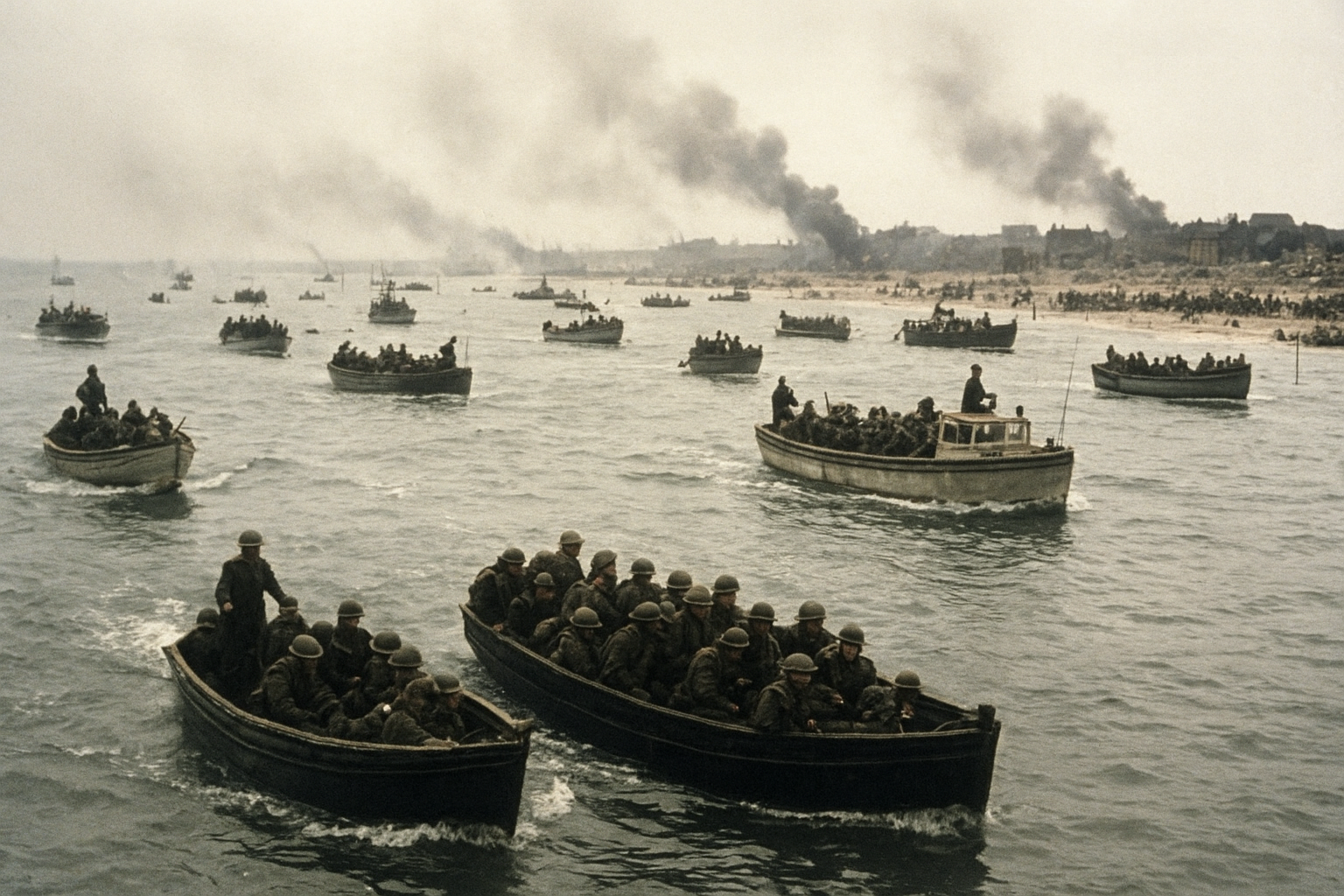
We help you see more clearly.
Markets are complex and often opaque— when stress hits, they can be brutal.
But complexity isn't chaos. It's just a puzzle that requires the right experience to solve.
We've spent decades developing that experience—through multiple cycles, across many countries, in every corner of the fixed income world. We understand what breaks first and what holds.
That knowledge is what we bring to every client engagement, whether you're pricing a single bond or rethinking your entire approach to your portfolio.
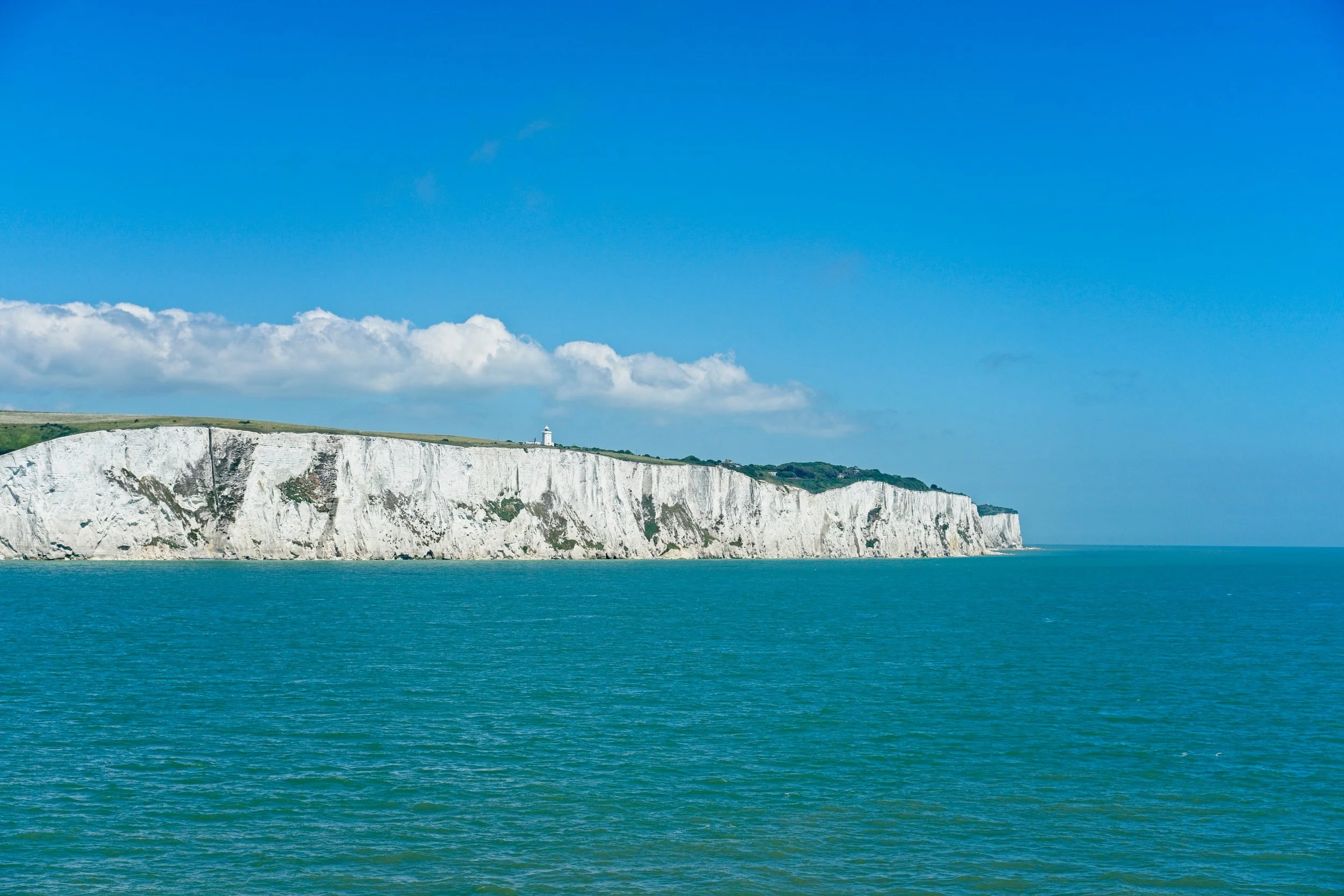
We've been through the fire.
We can help you navigate to safety.
The Leadership
-
Arunava Biswas is the chief architect and leader for Corvid’s Analytics and Technology. He has a strong background in both finance and technology. Before Corvid, he was a Director in Securitized Product Trading at RW Baird. Also trading ABS, CDO’s and CLO’s out of The Firm’s New York office.
Prior to that, he was a structured product trader at Barclays Capital in New York, where he spent time on both the sell-side and principal trading. He started at the British bank as a structured products research professional before moving on to trading RMBS cash and CDS. Arun’s quality foundation in research has helped shape Corvid’s analytics from the bottom up.
Arun has also been a part of multiple technology start-ups (including: Montaj, Comergent, and InternetCash) in both management and hands-on programming capacities.
He started his career as a consultant at PricewaterhouseCoopers after graduating from Cornell University. Arun also received an MBA from Yale University’s School of Management. Arun lives in Michigan, U.S.
-
Darragh has more than 30 years of experience in fixed income credit markets, with a particular specialization in the valuation and trading of illiquid credit securities.
Darragh began his career in Treasury for a leading German Mortgage Bank managing funding strategy, liquidity and balance sheet risk across multiple currencies through a period of significant market and regulatory change.
He spent a decade in senior roles at Merrill Lynch and Barclays Capital in London, where he focused on illiquid and structured credit across investment grade and high yield markets.
During this time, Darragh was a central part of the teams that developed multi-billion dollar financing programs such as the Italian High Speed Rail Network (TAV), the inflation linked funding platform for UK Utilities, the long term financing of the US Student Loan program and the funding of multiple healthcare systems across Europe. He was also at the core of the opening up of European markets to US taxable Muni Issuers and in the development of Irish covered bond legislation
In 2009 Darragh co-founded a MiFID authorized advisor / broker dealer, serving as Head of Markets. There, he built and led a team dedicated to valuing, advising and trading portfolios of illiquid fixed income securities following the financial crisis.
In 2015, he co-founded Corvid Partners with Chris Ogeneski and Arun Biswas. The original strategy of the firm, to bring expertise in valuing illiquid assets to a wider audience in the capital markets industry remains unchanged today.
Darragh is a Non-Executive Director and Chair of several regulated credit funds and is the independent member of the valuation forum for a tier one global investor services group with over $800bn of assets under administration. He lives in Dublin, Ireland
-
A career position trader for 20+ years prior to Corvid’s founding, Chris has served in head trader and senior fixed income markets management roles with Barclays, Deutsche Bank and Alex. Brown.
He began his journey trading municipal bonds as a market maker for Alex. Brown & Sons in Baltimore, MD. Moving to New York City with Deutsche Bank, trading structured credit, quasi-governments and asset swaps on a cross-market / cross-jurisdictional arbitrage basis. Eventually migrating to Barclays, co-founding their global proprietary trading group focused on illiquid credit and special situations. His ability to value and trade complex securities and derivatives led to increasingly senior roles, also trading distressed debt and commodities. He ran both customer facing and proprietary trading groups at the British bank on a global scale. In these capacities, Chris has managed portfolios and structured debt for various projects, spanning film slates to fighter jets, sanitation systems to sharia compliant bonds.Significant deals include spearheading the refinancing, and subsequently managing the risk for years, of the Sony/ATV music catalog for Michael Jackson, when he borrowed against his co-ownership stake with Sony. Chris' use of unconventional hedges lowered Mr Jackson's borrowing rate more than half, giving Sony a far more efficient package while lowering RWA's to that of a bank level asset for the holder. Sony/ATV famously includes the rights to all "The Beatles" and Bob Dylan songs, as well as many other iconic and notable artists.
During the 2008 financial crisis, he was appointed Global Head of the Principal Mortgage Trading Group, and led Barclays' workout team when Barclays acquired Lehman Brothers' holdings. He successfully managed the challenging "bad bank" portfolio, navigating a wide variety of hard-to-price assets inherited from Lehman’s lending practices, particularly around the bottom tranche of the debt stack. This included over 180 different trading books and disciplines, everything from underwater mortgages for Manhattan hotels to offshore oil rigs and ships. Throughout his career he has traded some of the most unique assets and structures created.
When he started his career in finance, he congruently worked coaching college football for a decade and continued as an NFL scout. He is a graduate of Johns Hopkins University where he has served on a variety of boards and committees, as well as coaching. He is a member of the Greater Baltimore Chapter of the National Football Foundation and College Hall of Fame. He also served on the board of The Shooting Gallery, which produced the Academy Award-winning Sling Blade and a number of major award winning and acclaimed feature films. Chris lives in the New York Metro Area, U.S.